
Contact Us Today
+1(908) 645-1000
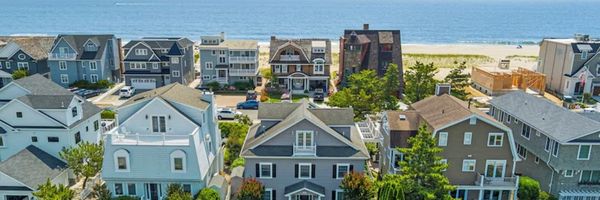
For many New Jersey families, a vacation home is more than just real estate, it is a place where memories are made. Whether it is a beach house along the Jersey Shore, a lakefront retreat, or a mountain getaway, these properties often hold significant financial and emotional value.
When a marriage ends, however, vacation homes and second properties can become some of the most contested assets in a divorce. Understanding how New Jersey courts approach these real estate holdings can help divorcing spouses make informed decisions and avoid costly disputes.
In New Jersey, marital assets are divided according to the principle of equitable distribution, which means assets are divided fairly, but not necessarily equally.
A vacation home acquired during the marriage with marital funds will be considered a marital asset subject to equitable distribution. This applies regardless of whether the property is located in New Jersey, another state, or even another country.
The court will evaluate numerous factors when determining how to divide the property, including:
Because every family’s circumstances are unique, there is no one-size-fits-all formula for dividing vacation properties.
A vacation home purchased by one spouse before the marriage may be considered separate property. However, that does not necessarily mean it is entirely protected from equitable distribution.
Issues can arise when:
In these situations, a portion of the property’s appreciation or equity may be subject to equitable distribution, even if one spouse originally owned the asset.

One of the first steps in dividing a vacation property is determining its reasonable value.
This can be particularly challenging with shore homes and seasonal properties because values can fluctuate based on market conditions, location, rental income potential, and recent improvements.
Parties often retain professional appraisers to evaluate:
Accurate valuation is critical because it serves as the foundation for negotiating a fair settlement.
There are several common ways vacation homes are handled during a divorce.
One Spouse Buys Out the Other
One spouse may wish to retain the property and compensate the other spouse for their share of the equity. This is often accomplished through a refinance, cash payment, or offset against other marital assets.
The Property Is Sold
If neither spouse can afford to maintain the property independently, or if both parties wish to move on, the property may be sold and the proceeds divided according to the terms of the settlement agreement or court order.
In some cases, former spouses agree to continue owning a vacation property together for a period of time.
This arrangement is more common when:
While co-ownership can work under the right circumstances, it requires careful planning and detailed agreements addressing expenses, scheduling, maintenance responsibilities, and future sale provisions.

Many shore homes and vacation properties generate rental income.
If a property has been used as an investment, additional considerations may arise regarding:
The income generated by the property may become a key factor in both property division and broader financial negotiations during the divorce process.
Unlike other assets, vacation homes often carry deep sentimental value. A family may have spent decades celebrating holidays, hosting gatherings, and creating traditions at a beloved shore house.
While emotional attachments are understandable, they can sometimes make settlement discussions more difficult.
It is important for spouses to evaluate not only the emotional significance of a property but also the practical realities of ownership, including mortgage payments, taxes, insurance, maintenance costs, and long-term affordability.
Because vacation homes and shore properties often represent substantial assets, it is essential to understand your rights before making decisions about their future.
Whether the property is a family beach house in Belmar, Spring Lake, Cape May, or Long Beach Island, or a vacation home located elsewhere, proper valuation and strategic planning can significantly impact the outcome of your divorce.
At Lawrence Law, we help clients throughout New Jersey navigate complex property division issues, including vacation homes, shore properties, investment real estate, and other high-value assets. Our experienced family law attorneys work to protect our clients’ financial interests while pursuing practical solutions tailored to their unique circumstances.
If you have questions about how a vacation home or shore property may be treated in your divorce, contact Lawrence Law at 908-645-1000 to schedule a consultation. Subscribe to our quarterly newsletter to stay up to date on the latest firm news, updates, and more!






The Super Lawyers List is issued by Thompson Reuters. A description of the selection methodology can be found here. Visit here for the selection methodology for Best Lawyers. A description of the Martindale-Hubbell AV Preeminent® status selection methodology can be found here. The New Jersey Law Journal Best Of methodology, can be found here. No aspect of this advertisement has been approved by the Supreme Court of New Jersey. A description of the Martindale-Hubbell Peer Rating selection methodology can be found here.

© 2026 Lawrence Law Firm.
All rights reserved | Attorney Advertising